Teahouses on the Nar Phu Valley Trek: What to Expect at Every Stop
Forget five-star reviews and online booking. Teahouses on the Nar Phu trek are family-run, wood-heated, and basic in ways that will either charm you or challenge you. Here is an honest stop-by-stop guide to where you will sleep and eat.
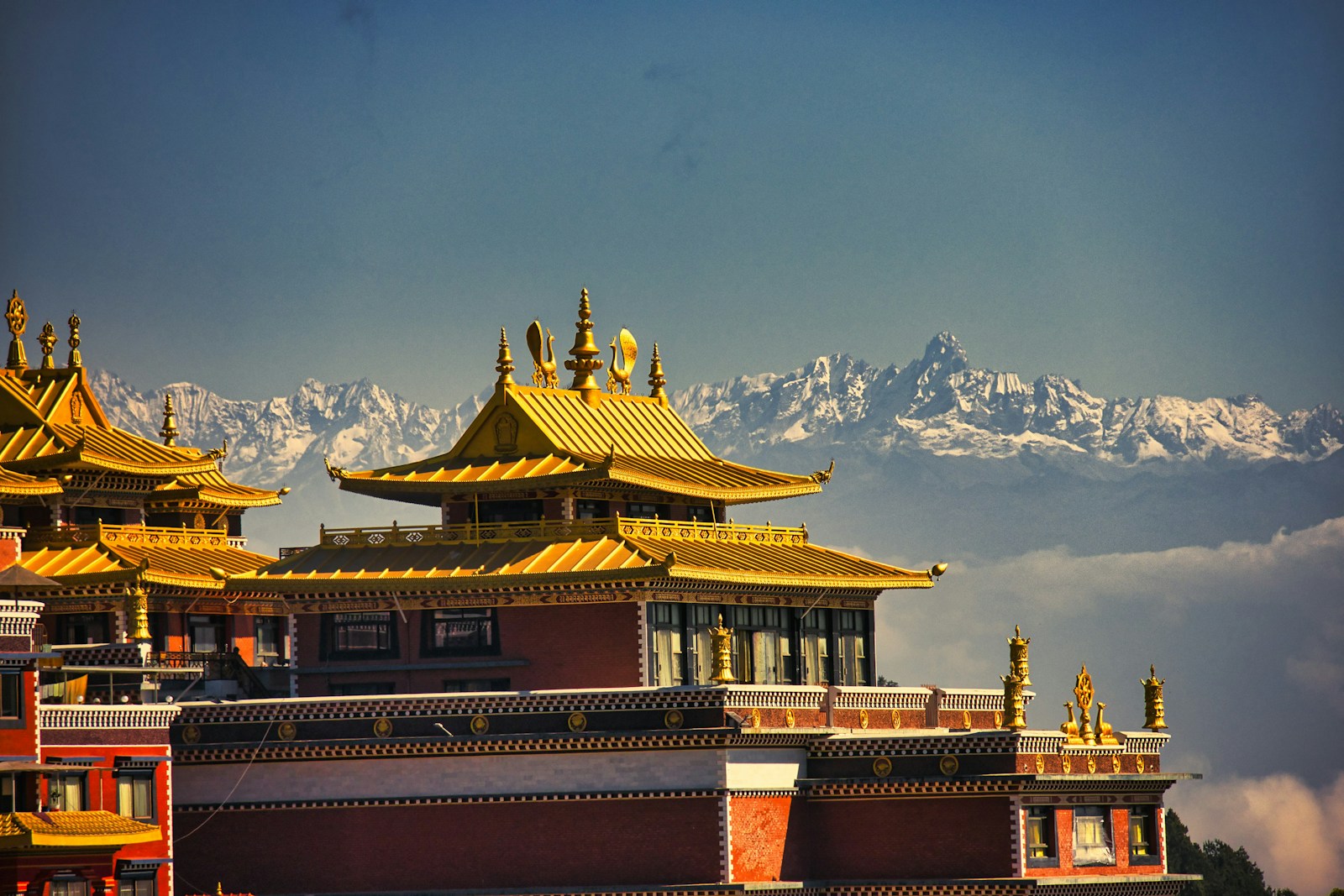
I want to set expectations right at the start, because this is where a lot of first-time trekkers have their biggest surprise: teahouses on the Nar Phu Valley trek are not hotels. They are not lodges in the Western sense. They are family homes that have been adapted to accommodate trekkers, run by the same people who farm barley, herd yaks, and maintain the trail you are walking on.
At their best, teahouses are warm, welcoming, and deeply atmospheric — a hot meal and a sheltered room after a long day in the mountains. At their most basic, they are a thin mattress on a wooden platform in a room with no heating, no shower, and a squat toilet outside in the freezing dark. Both versions are part of the experience, and knowing what to expect at each stop along the trail makes a real difference to how you feel about the trek.
How Teahouses Work
Before we go stop by stop, here is the basic teahouse model:
The deal: You pay a small amount for your room (typically $3-$10/night) and a larger amount for food and drinks. The room price is kept low to attract trekkers; the food price includes the markup that sustains the business. This is not a scam — it is how the economics work when your "restaurant supply chain" involves a man and a mule walking for two days from the nearest road.
Booking: There is no booking system. You show up, and if there is a room, you get a room. In peak season (October-November), popular stops can fill up, but on the Nar Phu route this is rare because of the restricted area permit cap. Your guide will usually walk ahead or call ahead on a mobile phone (where there is signal) to secure beds.
Payment: Cash only. Nepali rupees. No cards, no digital payment, no exceptions. Bring enough rupees for the entire trek.
Electricity: Solar panels at most teahouses provide limited power. Charging your phone or camera costs $2-$5 and is rationed. Bring a portable battery bank — it will save you both money and anxiety.
Heating: There is no heating in bedrooms at any teahouse on the Nar Phu route. The communal dining room has a wood-burning or yak-dung stove that is lit in the evening. This is where everyone gathers, and for good reason — at 4,000 meters after dark, the dining room stove is the warmest place in the building.
Stop-by-Stop Guide
Dharapani (1,860m) — The Last Comfortable Night
What to expect: Dharapani sits on the main Annapurna Circuit, so its teahouses reflect the relatively developed infrastructure of that route. Rooms have basic but real beds with mattresses, pillows, and blankets. Shared bathrooms with running water. Hot showers are usually available ($3-$5). Limited Wi-Fi at some lodges. A few menu options beyond dal bhat.
Room cost: $5-$10
Food quality: Decent. Rice, dal, noodles, fried rice, momos, Tibetan bread, eggs. Some places attempt Western breakfasts — pancakes, toast, porridge. Quality varies.
Atmosphere: Functional and friendly. Several teahouses compete for business, which keeps standards reasonable. Not particularly atmospheric but clean and comfortable.
My advice: Enjoy the hot shower. It may be your last one for a while.
Koto (2,600m) — The Gateway
What to expect: Koto marks the junction where the Nar Phu trail branches off the Annapurna Circuit. The teahouses here are simpler than Dharapani but still reasonable. The police checkpoint is here — your guide will handle the permit verification while you relax.
Room cost: $5-$8
Food quality: Good. Similar menu to Dharapani. This is the last stop with any real variety in food options. Stock up on snacks if you haven't already.
Facilities: Shared bathrooms. Hot shower sometimes available. Electricity from solar or micro-hydro. Charging available.
Atmosphere: A crossroads feeling. Annapurna Circuit trekkers pass through heading up the Marsyangdi. You are about to turn north into the restricted area. Savor the moment.
My advice: Fill your water bottles and buy any last supplies. The next shops with meaningful inventory are in Manang, on the other side of Kang La Pass.
Meta (3,500m) — Welcome to Isolation
What to expect: Meta is where the Nar Phu experience truly begins. The teahouses here are simple stone structures with basic rooms — wooden bed platforms, thin mattresses, a pillow, and blankets that have seen better days. Your sleeping bag becomes essential from this point forward.
Room cost: $3-$8
Food quality: Simpler than below. Dal bhat is the reliable option — rice with lentil soup, usually with some vegetable side and a piece of pickle. Noodle soup (thukpa), fried rice, and Tibetan bread are also available. Eggs if the mule supply line has delivered recently.
Facilities: Shared squat toilet outside. No hot shower — bucket wash with heated water if you ask nicely and pay extra. Limited solar electricity. Phone charging available but expensive ($3-$5). No Wi-Fi.
Atmosphere: This is where it starts feeling real. The dining room stove becomes the center of your evening world. Trekkers, guides, and porters share the space. The teahouse owner's family goes about their evening routine around you. The stars outside are incredible — at 3,500 meters with zero light pollution, the Milky Way is a physical presence in the sky.
My advice: Make friends with the teahouse owner. A genuine conversation (through your guide if needed) will often get you the best food and the warmest spot by the stove. These are not anonymous service workers — they are people living at 3,500 meters who are sharing their home with you.
Phu Village (4,250m) — Medieval Stone World
What to expect: The teahouses in Phu are among the most basic on any popular trekking route in Nepal. Rooms are small, cold, and minimal — a wooden platform, a thin mattress, and whatever blankets the teahouse has. The walls are thick stone, which keeps the wind out but does nothing for temperature. At 4,250 meters, nighttime temperatures regularly drop below freezing.
Room cost: $3-$5
Food quality: Limited. The menu is shorter here because everything has been carried in on foot or by mule from Koto or Meta — a journey of two to three days. Expect dal bhat, thukpa (noodle soup), tsampa, Tibetan bread, and boiled potatoes. Some teahouses offer yak butter tea, which tastes nothing like tea as you know it — salty, rich, smoky, and an acquired taste that many trekkers come to love.
Facilities: Basic outdoor toilet. No shower. No hot water unless heated on the stove (takes time and costs extra). Solar electricity is intermittent. Charging available but slow and expensive.
Atmosphere: Extraordinary. You are in one of the most remote villages in Nepal. The teahouse dining room is heated by a single stove, often burning yak dung because firewood at this elevation is scarce. The smell is distinctive — earthy, slightly sweet, and surprisingly pleasant once you get used to it. Monks from the nearby Tashi Lhakhang Monastery sometimes stop in for tea. The night sky is almost unnervingly beautiful.
My advice: Layer up before bed. Wear your thermal base layer, a fleece, warm socks, and a hat inside your sleeping bag. Put your water bottle inside the sleeping bag too, or it will be frozen solid by morning. And try the yak butter tea. You are in one of the few places in the world where it is made the traditional way.
Nar Village (4,130m) — The Amphitheater
What to expect: Accommodation in Nar is similar to Phu — basic teahouse rooms with simple beds and heavy blankets. The village has a few more teahouses than Phu, and the competition means slightly better food variety in good seasons.
Room cost: $3-$5
Food quality: Similar to Phu but sometimes slightly better. Dal bhat, thukpa, tsampa, fried rice (when rice supplies allow), boiled potatoes, and Tibetan bread. The tsampa here is usually excellent — freshly ground from locally grown barley, it has a nutty, toasted flavor quite different from the commercial tsampa you find in Kathmandu.
Facilities: Same as Phu. Basic outdoor toilet. No shower. Limited solar electricity. Phone charging available.
Atmosphere: The natural amphitheater around Nar creates an almost surreal setting. In the evening, the golden rock walls catch the setting sun and glow amber and copper while the village falls into shadow. The monastery bells ring. Prayer flags snap in the wind. It is one of those places where you understand why people chose to build a life here despite everything the altitude demands.
My advice: Spend the late afternoon on one of the rooftop terraces if your teahouse has one. The sunset light on the amphitheater walls is among the most beautiful things I have seen in the Himalayas, and I have been looking at mountains for a long time.
Kang La Phedi / Jhombu Kharka (~4,500m) — The Night Before
Some itineraries include a night at Kang La Phedi (also called Jhombu Kharka), the base camp area before the pass. This is only used when the group needs to shorten the Kang La day or when conditions suggest an earlier start from a higher elevation.
What to expect: If available, accommodation here is a basic shelter or temporary camp. Not all trekkers stay here — most go directly from Nar over Kang La to Ngawal in a single long day.
My advice: Unless your guide specifically recommends it, the standard Nar-to-Ngawal crossing works well for most groups. The 4 AM start from Nar is early but manageable.
Ngawal (3,650m) — Return to Civilization
What to expect: After the spartan conditions of Nar and Phu, arriving in Ngawal feels like checking into a resort — which tells you more about your adjusted expectations than about Ngawal's actual amenities. The teahouses here are Annapurna Circuit standard: proper beds with thicker mattresses, shared but cleaner bathrooms, more reliable electricity, and menus that stretch to pasta, pancakes, and pizza.
Room cost: $8-$15
Food quality: Noticeably better. You are back on the Annapurna Circuit supply route, which means more ingredients, more variety, and larger portions. Dal bhat comes with multiple side dishes. Eggs are reliably available. Some places even have apple pie.
Facilities: Shared bathrooms with running water. Hot shower usually available ($3-$5). Wi-Fi at some lodges (slow but functional). Reliable electricity for charging.
Atmosphere: Relief. Comfort. Disorientation, actually — after days of stone rooms and yak-dung stoves, the comparative luxury of a Circuit teahouse takes a moment to process. You have just crossed one of the hardest passes in Nepal. It shows in the faces around the dining table.
My advice: Order the biggest meal on the menu. You have earned it.
Manang (3,519m) — The Hub
What to expect: Manang is the closest thing to a town you will find on the upper Annapurna Circuit. Multiple guesthouses, bakeries, a few shops, and even a cinema of sorts. Rooms are comfortable by mountain standards — proper beds, thicker walls, blankets that are clean and warm.
Room cost: $10-$20
Food quality: The best on the trek. Bakeries sell cinnamon rolls, apple pie, and fresh bread. Restaurants offer everything from dal bhat to yak steak to pasta. After a week of thukpa and tsampa, the variety can feel overwhelming.
Facilities: Hot showers. Toilets with running water. Some lodges have Western-style toilets. Reliable electricity. Wi-Fi (slow but usable). Phone signal. Small shops selling snacks, batteries, and basic trekking gear.
Atmosphere: Bustling by Nar Phu standards. Manang is the main acclimatization stop on the Annapurna Circuit, so trekkers from all over the world converge here. After the deep solitude of the Nar Phu Valley, the presence of dozens of other trekkers is both welcome and slightly jarring.
My advice: Do your laundry. Resupply snacks. Call home if you can. Take a hot shower and stand under it until the water runs cold. Then take your time over coffee and cake at one of the bakeries and let the contrast between where you were yesterday and where you are now fully sink in.
Food: What to Order and What to Skip
After hundreds of teahouse meals along this route, here is my honest food advice:
Always order: Dal bhat. It is the foundation of the trekking diet for a reason — balanced nutrition, hot, filling, and most teahouses offer free refills. At higher elevations, it is also usually the freshest option because the ingredients (rice, lentils, oil) are shelf-stable and do not suffer from the multi-day supply chain the way perishables do.
Usually good: Thukpa (noodle soup), Tibetan bread, tsampa porridge, boiled potatoes, fried rice, plain omelette, porridge.
Risky above Meta: Anything that requires fresh meat, fresh dairy, or fresh vegetables. Refrigeration does not exist above Koto. If the chicken was carried in by mule three days ago, you probably do not want to eat it at 4,000 meters where cooking temperatures are lower due to reduced boiling points. Stomach illness at altitude is a miserable and potentially dangerous combination.
Skip entirely: Raw salads at any elevation on the trek. The water used to wash vegetables may not be clean, and the consequences of food-borne illness while crossing Kang La are serious.
Drinks: Boiled water (or purified) is the safest choice everywhere. Tea is always good — the water is boiled. Yak butter tea in Nar and Phu is an experience worth having. Avoid cold drinks above Meta — your body needs warm fluids at altitude.
What to Bring for Teahouse Comfort
A few items that dramatically improve the teahouse experience:
- A quality sleeping bag (rated to -15°C minimum): The single most important comfort item. Teahouse blankets are insufficient above Meta.
- A silk or fleece liner for the sleeping bag: Adds warmth and keeps your bag cleaner.
- Earplugs: Thin walls mean you hear everything — snoring, wind, morning prayers, and the occasional yak walking past your window.
- A headlamp: Essential for the pitch-black walk to the outdoor toilet at 2 AM. Red light mode preserves night vision and does not wake the entire teahouse.
- Quick-dry towel: Compact and essential for any hot water opportunity.
- Hand sanitizer: Not all teahouses have soap at the washing station.
- Snacks: Energy bars, nuts, dried fruit, chocolate. Supplement teahouse meals and bridge the gap when dinner orders take an hour to prepare.
- Portable battery bank (20,000mAh or larger): Saves charging costs and the anxiety of watching your phone die in a place with no outlets.
- A book or cards: Evenings in the dining room are long. Internet does not exist above Meta. Entertainment is analog.
The Human Side
I want to end with something that the practical details sometimes obscure.
The people running these teahouses are not in the hospitality industry in any conventional sense. They are mountain families who have opened their homes to strangers because tourism provides income in a place where economic options are few. The woman cooking your dal bhat at 4,250 meters is also caring for her children, tending her animals, and managing a household in one of the harshest environments on earth.
The rooms are basic because building anything elaborate at these elevations is nearly impossible. The food is simple because the ingredients were carried in on someone's back. The toilet is outside because plumbing does not work when everything freezes for five months of the year.
If you approach teahouse accommodation with the right expectations — gratitude for shelter rather than expectation of service — the experience transforms. The smiling woman handing you tea in a cold stone room becomes not an innkeeper falling short of standards, but a remarkable human being sharing what she has in a place most people will never see.
That is the real luxury of the Nar Phu teahouse experience. Not thread count or shower pressure, but the warmth of genuine hospitality at the edge of the habitable world.