Phu Village: Nepal's Most Dramatic Tibetan Settlement
Discover the ancient clifftop village of Phu, home to one of Nepal's oldest monasteries and a living example of Tibetan Buddhist culture in the Himalayas.
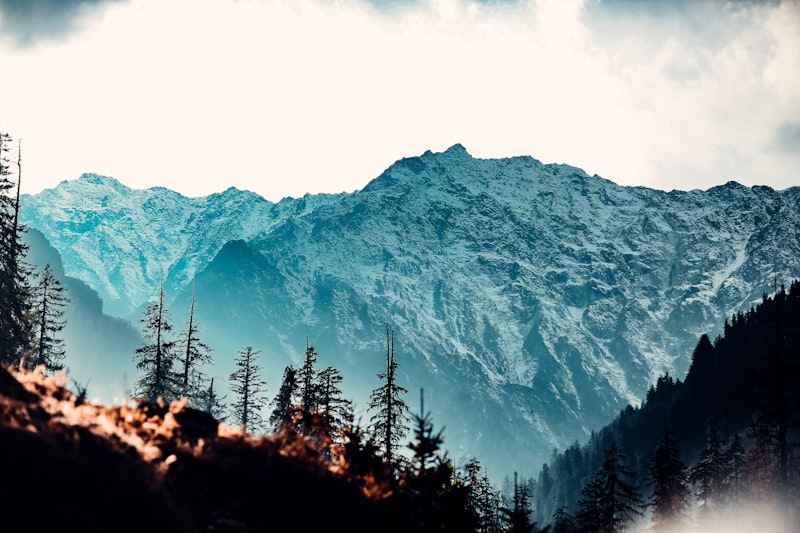
Perched dramatically on a cliff at 4,080 meters, Phu village is one of the most remarkable settlements in all of Nepal. This ancient Tibetan village, home to just a few hundred people, offers trekkers a window into a way of life that has remained largely unchanged for centuries.
A Village Frozen in Time
As you approach Phu from the narrow gorge below, the village appears almost magically - a cluster of flat-roofed stone houses stacked on a rocky promontory, with the ancient Tashi Lhakhang Monastery crowning the hilltop above.
The village's isolation has been both its challenge and its blessing. While other Himalayan settlements have been transformed by tourism and modernization, Phu retains its authentic character. Prayer flags flutter from every rooftop, mani walls line the pathways, and the sound of monastery horns echoes through the valley at dawn and dusk.
Tashi Lhakhang Monastery
The highlight of any visit to Phu is the Tashi Lhakhang Monastery, believed to be over 600 years old. Inside, you'll find beautiful murals, ancient Buddhist scriptures, and a serene prayer hall where monks still perform daily rituals.
The monastery sits at the highest point of the village, offering panoramic views of the surrounding peaks, including Himlung Himal (7,126m). Visiting the monastery with our local guide Mingma, who grew up in the region, provides invaluable cultural context that enriches the experience.
Daily Life in Phu
The residents of Phu are primarily yak herders and subsistence farmers, growing barley and potatoes in the short growing season. Their daily routines revolve around:
- Tending yak herds in the high pastures
- Spinning wool and weaving traditional textiles
- Performing Buddhist prayers and rituals
- Trading with neighboring villages
The warmth and hospitality of the Phu villagers is legendary among trekkers. Despite the harsh conditions, visitors are always welcomed with butter tea and smiles.
When to Visit
The best time to visit Phu village is during the trekking seasons of spring (March-May) and autumn (September-November). During winter, many residents migrate to lower altitudes, and the trails can be blocked by snow.
The acclimatization day we build into our itinerary at Phu is one of the most rewarding days of the entire trek - giving you time to explore the village, visit the monastery, and connect with this extraordinary community.