Ultimate Packing List for the Nar Phu Valley Trek
A field-tested packing list for the Nar Phu Valley trek, covering clothing layers, gear essentials, electronics, and medical supplies for temperatures down to -15°C at 5,320m.
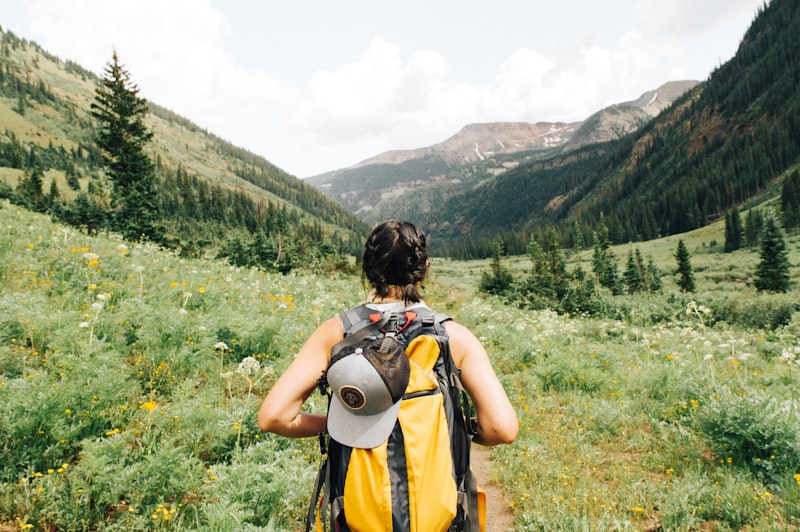
Why the Nar Phu Valley Demands Careful Packing
The Nar Phu Valley is not the Annapurna Circuit. You will not find gear shops every few kilometers or teahouses with fully stocked stores. Between Meta village and Kang La Pass (5,320m), resupply opportunities are essentially nonexistent. The temperatures swing from a pleasant 10-15°C during the day to a brutal -10°C to -15°C at night near the pass. The terrain ranges from river valleys to exposed high-altitude passes with strong winds.
After guiding dozens of groups through the Nar Phu Valley, I have refined this packing list to include everything you genuinely need — and nothing you do not. Every extra kilogram matters when you are climbing to 5,320m.
Clothing: The Layering System
Layering is not optional here. You will start mornings in full insulation and strip down to a base layer by midday, then pile everything back on as the sun drops behind the ridgeline. Pack for four layers: base, mid, insulation, and shell.
Base Layers
- 2 merino wool or synthetic base layer tops (150-200 weight) — merino manages odor better on a 10+ day trek where laundry is impossible
- 2 base layer bottoms — one lightweight for hiking, one midweight for sleeping
- 3-4 pairs merino wool hiking socks — plus 1 pair heavyweight summit socks for Kang La
- 3-4 sets synthetic underwear — quick-dry fabric only, no cotton
Mid Layers
- 1 fleece jacket (200-300 weight) — this will be your most-worn item
- 1 lightweight softshell jacket — wind-resistant for breezy valley days
- 1 pair trekking pants — zip-off legs are practical for the lower elevations
- 1 pair fleece-lined trekking pants — for high-altitude days and cold mornings
Insulation Layer
- 1 down jacket (650+ fill power, minimum) — a 750-800 fill power jacket packs smaller and performs better at altitude. This is your single most important piece of gear
- 1 pair down or synthetic insulated pants — essential for Kang La morning starts and cold evenings in Nar and Phu villages
Shell Layer
- 1 waterproof/breathable hardshell jacket with hood (Gore-Tex or equivalent) — must fit over all your mid and insulation layers
- 1 pair waterproof pants — even in dry October, unexpected weather can hit above 4,500m
Head, Hands, and Feet
- 1 sun hat with brim and neck cover — UV at 4,000m+ is intense
- 1 warm beanie/wool hat — worn every evening and morning
- 1 balaclava or buff — critical for Kang La wind protection
- 1 pair liner gloves — for moderate cold and touchscreen use
- 1 pair insulated gloves or mittens — rated to -15°C minimum
- 1 pair gaiters — for snow on the Kang La approach
Footwear
- Trekking boots — broken-in, waterproof, ankle-supporting boots are non-negotiable. Do not bring new boots. You need 50+ kilometers of wear on them before the trek
- Camp shoes or sandals — lightweight flip-flops or Crocs for evenings in teahouses. Your feet need to breathe after 7-8 hours in boots
- 2 extra pairs of insoles — one standard, one thermal for high-altitude days
Trekking Gear
The Essentials
- Backpack (50-65 liters) if carrying your own gear, or a 30-35 liter daypack if porters carry the main load
- Trekking poles (collapsible) — nearly essential for the steep descents between Nar and Kang La. Carbon fiber poles save weight; aluminum poles are more durable
- Sleeping bag rated to -15°C comfort (not "extreme" rating — the comfort rating is what matters). Teahouse blankets in Nar and Phu are thin and insufficient in October/November
- Sleeping bag liner — adds 5-8°C of warmth and keeps your bag cleaner
- Headlamp with extra batteries — you will start Kang La day in complete darkness. Bring lithium batteries; alkaline batteries lose power rapidly in cold
- Water bottles (2 x 1 liter) — Nalgene-style wide-mouth for easy filling. Hydration bladder tubes freeze above 4,500m, so bring bottles as backup
Navigation and Safety
- Printed map of the Nar Phu Valley — phone GPS can fail in cold temperatures and remote areas
- Whistle — attached to your pack for emergency signaling
- Lighter or waterproof matches — backup fire-starting ability
- Paracord (5-10 meters) — for clotheslines, emergency repairs, and lashing gear
Electronics
- Phone with offline maps downloaded — download Maps.me or Gaia GPS tiles for the entire Nar Phu region before leaving Kathmandu
- Power bank (20,000 mAh minimum) — there are no charging facilities in Nar or Phu villages. A single 20,000 mAh bank will keep a phone alive for 8-10 days with airplane mode discipline
- Solar charger (optional but recommended) — a small 10-15W panel can supplement your power bank on sunny trekking days
- Camera — see our photography guide for detailed recommendations
- Headphone or earbuds — for long evening hours in basic teahouses
Keep all electronics in an inside jacket pocket close to your body during cold days. Lithium batteries drain rapidly below 0°C but recover when warmed.
Medical and Hygiene
First Aid Kit
- Altitude sickness medication — Acetazolamide (Diamox) 250mg, consult your doctor before the trek. Start taking it 24 hours before ascending above 3,500m
- Pain relief — Ibuprofen and paracetamol
- Diarrhea medication — Loperamide for emergencies, plus oral rehydration salts
- Blister treatment — Moleskin, Compeed patches, and medical tape. Prevention is everything: apply tape to hot spots before they become blisters
- Antiseptic wipes and bandages — basic wound care supplies
- Throat lozenges — the dry, cold air causes persistent throat irritation at altitude
- Sunscreen — SPF 50+ minimum. Reapply every 2 hours. At 5,000m, UV radiation is roughly 50% stronger than at sea level
- Lip balm with SPF — your lips will crack painfully without it
- Eye drops — for dust and dry air irritation
Hygiene
- Biodegradable soap (small bottle) — for body and clothes
- Hand sanitizer — use before every meal
- Quick-dry microfiber towel
- Toothbrush and toothpaste
- Wet wipes — these become your shower for 10+ days
- Toilet paper — bring your own supply, plus a lighter to burn used paper responsibly
- Zip-lock bags (assorted sizes) — for waterproofing, waste carry-out, and organizing small items
Food and Water
- Water purification — bring both purification tablets (Aquamira or Micropur) and a SteriPEN or Gravy filter as backup. Do not rely on a single method
- Snack supply — pack 10-14 days worth of trail snacks from Kathmandu: energy bars, nuts, dried fruit, chocolate, and electrolyte powder. Teahouse meals in Nar and Phu are limited to basics like tsampa, thukpa, and dal bhat. The snacks fill nutritional gaps and provide quick energy on long ascent days
- Thermos (0.5-1 liter) — fill with hot water or tea each morning. A warm drink at Kang La Pass is more than a comfort — it helps prevent the dehydration that accelerates altitude sickness
Documents and Money
- Passport (original required at checkpoints)
- All permits in a waterproof document pouch: RAP, ACAP, TIMS
- Travel insurance documentation — must cover helicopter evacuation up to 6,000m
- Cash in Nepali Rupees — bring enough for the entire trek. There are no ATMs between Chame and Manang. Budget 2,000-3,000 NPR per day for meals and accommodation in Nar and Phu
- Emergency contact card — laminated, with blood type, allergies, and insurance policy number
What NOT to Bring
- Cotton clothing — cotton absorbs moisture, loses all insulation value when wet, and dries slowly. It is genuinely dangerous at altitude
- Heavy books — download reading material to your phone or e-reader
- Jeans — heavy, restrictive, and useless when wet
- Large toiletry bottles — decant everything into travel-sized containers
- Excessive electronics — a laptop has no place on this trek
- Drone — drone use is restricted in the Nar Phu Valley. Do not risk confiscation and fines
Target Pack Weight
Aim for a total pack weight (including water and food) under 12-14 kg if you are carrying everything yourself. If using porters, your daypack should weigh 6-8 kg with water, snacks, rain gear, warm layer, and camera.
Every item on this list has earned its place through real experience on the trail. If something is not listed here, you almost certainly do not need it. Pack light, pack smart, and save your energy for the extraordinary terrain ahead.