How to Combine the Nar Phu Valley Trek with the Annapurna Circuit
Adding the Nar Phu Valley detour to your Annapurna Circuit trek transforms a classic route into something extraordinary. Here is how to plan the combined itinerary, what changes logistically, and why it is worth the extra days.
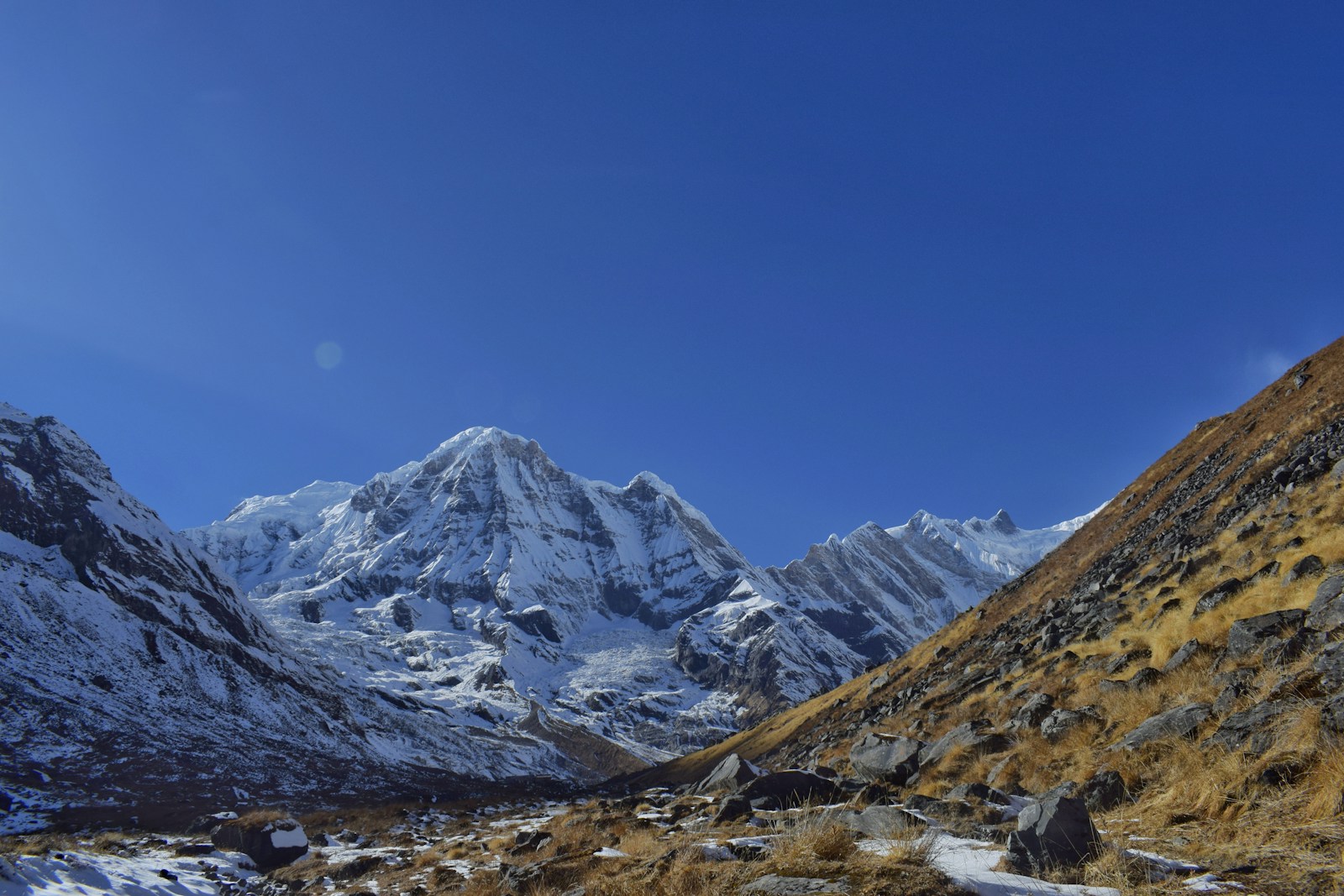
I have a confession to make. Every time I guide a group on the standard Annapurna Circuit and we walk past the turn-off at Koto, I feel a small pang. Because I know what is up that side valley — the hidden villages, the ancient monasteries, the amphitheater of golden rock at Nar, the medieval stone world of Phu — and I know that most of the trekkers walking past have no idea what they are missing.
The Nar Phu Valley is not really a separate trek. Geographically, it is a side valley that branches off the Annapurna Circuit at Koto and rejoins it after crossing Kang La Pass at Ngawal. Which means, with some planning and a few extra days, you can do both — and the result is arguably the finest long trek in Nepal.
Here is how to make it work.
Why Combine Them?
The Annapurna Circuit is deservedly one of the world's great treks: a circumnavigation of the Annapurna massif that takes you from subtropical lowlands to the 5,416-meter Thorong La Pass, through an extraordinary diversity of landscapes, cultures, and climatic zones.
But the Circuit has changed. Jeep roads now cover significant portions of the lower route. Tea shops compete aggressively for business. In peak season, the trail can feel crowded, especially around Manang and on the approach to Thorong La.
Adding Nar Phu gives you:
- Escape from the crowds. While hundreds of trekkers walk the Circuit daily in October, fewer than 400 people visit Nar Phu in an entire year.
- Cultural depth. The villages of Nar and Phu are among the most culturally intact Tibetan settlements in Nepal. The Annapurna Circuit villages, while fascinating, have been significantly shaped by decades of tourism.
- A second high pass. Kang La (5,320m) gives you a high-pass experience before you even reach Thorong La (5,416m). Crossing two of Nepal's great passes in a single trek is something few people can claim.
- Landscape variety. The rain shadow terrain of the Nar Phu Valley — arid, Tibetan-plateau-like, utterly different from the rest of the Circuit — adds a dimension that the standard route does not offer.
- Better acclimatization. The days spent in Nar Phu at 4,000-4,250 meters mean you arrive at Manang and the Thorong La approach already well-acclimatized, reducing altitude sickness risk.
The Combined Itinerary: 18-20 Days
Here is how the combined trek typically flows. I am using an 18-day version, which is comfortable without being rushed. Some people do it in 16, but I think 18 gives you the breathing room to actually enjoy both sections.
Phase 1: Annapurna Circuit to the Nar Phu Turn-Off
| Day | Route | Elevation | Hours | Notes | |-----|-------|-----------|-------|-------| | 1 | Kathmandu to Dharapani | 1,860m | Drive 9-10 hrs | Long drive day | | 2 | Dharapani to Koto | 2,600m | 6-7 hrs walk | Manaslu views; gentle start | | 3 | Koto to Meta (enter Nar Phu) | 3,500m | 8-9 hrs walk | Cross Marsyangdi; enter restricted zone |
At Koto, you leave the Annapurna Circuit and turn north up the Nar Khola. This is where the restricted area begins and where your permits are checked.
Phase 2: Nar Phu Valley
| Day | Route | Elevation | Hours | Notes | |-----|-------|-----------|-------|-------| | 4 | Acclimatize in Meta | 3,500m | Rest day | Short hikes; essential for altitude adaptation | | 5 | Meta to Phu | 4,250m | 8-9 hrs walk | Through Chyaku, Kyang; dramatic canyon scenery | | 6 | Explore Phu | 4,250m | Rest day | Tashi Lhakhang; optional Himlung BC hike | | 7 | Phu to Nar | 4,130m | 8-9 hrs walk | Tough but stunning | | 8 | Explore Nar | 4,130m | Rest day | Village exploration; acclimatization | | 9 | Nar to Ngawal via Kang La | 5,320m pass → 3,650m | 10-11 hrs | The big day; start 4 AM |
After crossing Kang La, you descend to Ngawal and rejoin the Annapurna Circuit. This is where the two treks merge.
Phase 3: Annapurna Circuit Continuation
| Day | Route | Elevation | Hours | Notes | |-----|-------|-----------|-------|-------| | 10 | Ngawal to Manang | 3,519m | 4-5 hrs walk | Easy day; visit Braga monastery | | 11 | Acclimatize in Manang | 3,519m | Rest day | Ice Lake hike; explore town | | 12 | Manang to Yak Kharka | 4,018m | 4-5 hrs walk | Gradual climb | | 13 | Yak Kharka to Thorong Phedi | 4,525m | 3-4 hrs walk | Final camp before the pass | | 14 | Thorong Phedi to Muktinath via Thorong La | 5,416m pass → 3,760m | 8-10 hrs | Second high pass | | 15 | Muktinath to Jomsom | 2,720m | 5-6 hrs walk | Temple visit; dramatic descent | | 16 | Jomsom to Pokhara | 820m | Flight 20 min or drive 10 hrs | Flight recommended | | 17 | Pokhara | - | Rest day | Lakeside; celebratory dinner | | 18 | Pokhara to Kathmandu | - | Flight 25 min or drive 7 hrs | Trek complete |
The Acclimatization Advantage
Here is something that most people do not realize until they experience it: doing Nar Phu before the main Annapurna Circuit gives you a massive acclimatization advantage for Thorong La.
On a standard Annapurna Circuit, you are typically arriving in Manang at 3,519 meters with limited high-altitude experience. The standard recommendation is to spend two acclimatization days in Manang before pushing up toward Thorong La at 5,416 meters. Even so, altitude sickness rates at Thorong La are significant.
On the combined trek, you arrive in Manang having already spent multiple days at 4,000-4,250 meters in Nar and Phu, and you have already crossed a 5,320-meter pass. Your body is adapted. Many combined trekkers need only one rest day in Manang instead of two, and they report that Thorong La, while still demanding, feels more manageable than they expected.
This is not just comfort — it is safety. Better acclimatization means lower risk of severe altitude sickness, and that alone can justify the extra days spent in Nar Phu.
Permit Requirements for the Combined Trek
The combined trek requires more paperwork than either trek alone:
| Permit | Cost | Required For | |--------|------|-------------| | Nar Phu Restricted Area Permit | $100 (peak) / $75 (off-season) | Nar Phu section only | | ACAP Permit | NPR 3,000 (~$23) | Both sections | | TIMS Card | $10-$20 | Both sections |
Total: Approximately $135-$145 in peak season.
The restricted area permit covers the Nar Phu section. The ACAP permit covers the entire Annapurna Conservation Area, which includes both the Nar Phu and the standard Circuit trail. You do not need separate ACAP permits for each section.
Important: The mandatory guide requirement applies to the Nar Phu section. For the standard Annapurna Circuit section, a guide is recommended but not legally required (as of current regulations). However, since you already have a guide for Nar Phu, most trekkers keep the same guide for the entire combined trek.
Logistics and Practical Considerations
Duration and Time Off
The combined trek takes 18-20 days, compared to 12-14 for either trek alone. This means more time off work, more days of expenses, and a bigger commitment overall. Most people who do the combined trek treat it as the centerpiece of a 3-4 week trip to Nepal.
Physical Demands
Crossing two passes above 5,000 meters in the same trek is demanding. You need solid cardiovascular fitness, strong legs, and the mental resilience for 18+ consecutive days of trekking. Start training at least 8 weeks before departure.
The Kang La day (Day 9 in the itinerary above) is the toughest single day. But by the time you reach Thorong La (Day 14), your body has adapted and the second pass is typically more manageable despite being 96 meters higher.
Gear Considerations
Gear requirements are essentially the same as for the standalone Nar Phu trek. The key items:
- Sleeping bag rated to -15°C or lower
- Trekking poles (essential for both pass crossings)
- Crampons if there is any chance of snow on Kang La
- Down jacket for evenings at altitude
- Layers for the dramatic temperature range from lower Annapurna Circuit (potentially 25°C) to Kang La dawn (-10°C)
Which Direction?
The itinerary above follows the most common direction: Nar Phu first, then continuing west on the Annapurna Circuit to Thorong La. This direction works better for acclimatization.
The reverse — starting from Pokhara/Jomsom, crossing Thorong La first, then doing Nar Phu — is technically possible but less common. It requires approaching Kang La from the Ngawal side (a steep ascent), and you do not get the acclimatization benefit of Nar Phu before Thorong La.
Some trekkers skip Thorong La entirely and exit from Manang back to Besisahar by jeep after crossing Kang La. This reduces the trek to about 12 days and gives you the Nar Phu experience without the full Circuit commitment.
The Tilicho Lake Option
For the truly ambitious, a third variation adds Tilicho Lake to the combined trek. Tilicho Lake sits at 4,920 meters and is one of the highest lakes in the world. It is accessed as a side trip from the Annapurna Circuit, between Manang and Thorong La.
Adding Tilicho Lake to the combined trek typically adds 2-3 days:
| Day | Route | Elevation | Notes | |-----|-------|-----------|-------| | Extra Day 1 | Manang to Khangsar to Tilicho Base Camp | 4,150m | Branch off Circuit | | Extra Day 2 | Tilicho Base Camp to Tilicho Lake and back | 4,920m | Early morning trek to the lake | | Extra Day 3 | Return to Yak Kharka/resume Circuit | 4,018m | Rejoin standard route |
This creates a 20-22 day mega-trek that includes Nar Phu Valley, Kang La Pass, Tilicho Lake, and Thorong La. It is one of the most comprehensive high-altitude trekking experiences available anywhere in the world. But it requires excellent fitness, three weeks of available time, and the mental stamina for a very long trek.
Why I Recommend the Combined Trek
In my years of guiding, I have noticed that the trekkers who do the combined Nar Phu + Annapurna Circuit trek are consistently the most satisfied. Not because the individual days are "better" than either standalone trek, but because the combination creates a journey with extraordinary range.
You start in subtropical forest. You walk through pine and rhododendron. You enter a hidden valley that feels like Tibet. You explore medieval villages and 700-year-old monasteries. You cross a 5,320-meter pass in the pre-dawn darkness. You rejoin the world's most famous trekking route. You cross a second pass at 5,416 meters. You descend to the arid moonscape of the Kali Gandaki Valley. You fly back to Pokhara's lakeside.
That arc — from low to high, from crowded to empty, from modern to medieval and back — is something no single trek can match. It takes longer, costs more, and demands more from your body and your calendar. But if you have the time and the fitness, it is worth every day and every rupee.
Planning the Combined Trek
If you are seriously considering the combined route, here is my checklist:
- Book 3-4 weeks off. The trek itself takes 18-20 days, plus travel days and buffer.
- Arrange permits early. The Nar Phu restricted area permit needs to be processed through a registered agency. In peak season, do this at least 4-6 weeks before your trek start date.
- Choose October or early November for the best weather window across both sections.
- Train seriously. Two 5,000m+ passes in under three weeks is no joke. Focus on cardio endurance, leg strength, and back-to-back hiking days.
- Budget $2,000-$3,000 per person for a comfortable experience with guide, porter, and all expenses.
- Buy comprehensive insurance covering helicopter evacuation above 5,000 meters.
- Discuss the itinerary with your guide. Flexibility matters — weather or health issues may require adjustments, and an experienced guide will know how to adapt the schedule without cutting key experiences.
The Annapurna Circuit is a great trek. Nar Phu Valley is a great trek. Together, they are something more — a journey that gives you the full spectrum of what the Himalayas can offer. If you are going to make the trip to Nepal, you might as well see it all.