Crossing Kang La Pass: Tips for the 5,320m Challenge
Practical advice for crossing the highest point of the Nar Phu Valley Trek - preparation, what to expect, and how to make the most of this incredible experience.
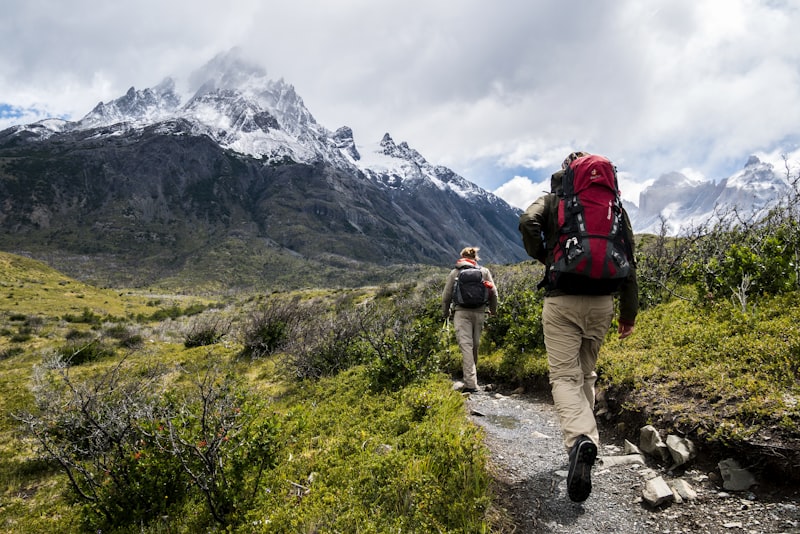
The Kang La Pass at 5,320 meters is the dramatic climax of the Nar Phu Valley Trek. Crossing this high mountain pass is a challenging but deeply rewarding experience that offers some of the most spectacular panoramic views in the entire Annapurna region.
What to Expect
The pass crossing typically starts very early - around 4:00 AM from base camp at 4,850m. Here's what the day looks like:
4:00 AM - Wake up call. It's cold - usually -10°C to -15°C. Layer up before stepping out of your sleeping bag.
5:00 AM - Begin the ascent. The trail climbs steadily through a rocky, sometimes snowy landscape. The gradient is moderate but at this altitude, every step requires effort.
8:00-9:00 AM - Reach the summit. Prayer flags mark the top of the pass. On a clear day, you'll see Annapurna II, Gangapurna, Tilicho Peak, and dozens of other Himalayan giants stretching across the horizon.
9:00 AM onwards - Descent to Ngawal. The descent is steep but manageable, dropping over 1,600m to the village of Ngawal on the Annapurna Circuit side.
Preparation Tips
Physical Preparation
- Build cardiovascular fitness with regular running, cycling, or stair climbing
- Practice hiking with a loaded pack on steep terrain
- Include altitude simulation training if available
Acclimatization
The key to a successful Kang La crossing is proper acclimatization:
- Follow the "climb high, sleep low" principle during the approach days
- Use the rest days in Phu and Nar for acclimatization hikes
- Stay well-hydrated - drink at least 3-4 liters per day
- Watch for symptoms of altitude sickness and communicate with your guide
Essential Gear for the Pass
- Down jacket and warm layers
- Gloves (liner + outer shell)
- Warm hat and balaclava
- Headlamp with fresh batteries
- Trekking poles
- Gaiters if snow is expected
- Thermos with hot drink
Altitude Sickness Awareness
At 5,320m, altitude sickness is a real concern. Know the warning signs:
- Mild AMS: Headache, nausea, fatigue, dizziness
- Severe AMS: Confusion, difficulty walking, persistent vomiting
- HAPE/HACE: Breathlessness at rest, confusion - requires immediate descent
Our guides carry pulse oximeters and are trained in altitude sickness recognition. Safety always comes first - if conditions aren't right, we have alternative routes.
The Reward
Standing at the top of Kang La Pass is a life-defining moment. The 360-degree panorama of the Annapurna range, the sense of achievement, and the knowledge that you're standing in one of the most remote corners of the Himalayas - it's an experience that stays with you forever.
The descent to Ngawal brings you back to the more developed Annapurna Circuit trail, and the contrast between the wild Nar Phu Valley you've just traversed and the bustling trail town of Manang makes you appreciate the extraordinary journey you've completed.