Complete Guide to the Nar Phu Valley Trek 2025
Everything you need to know about trekking in Nepal's most secluded valley - permits, best season, packing list, fitness requirements, and day-by-day highlights.
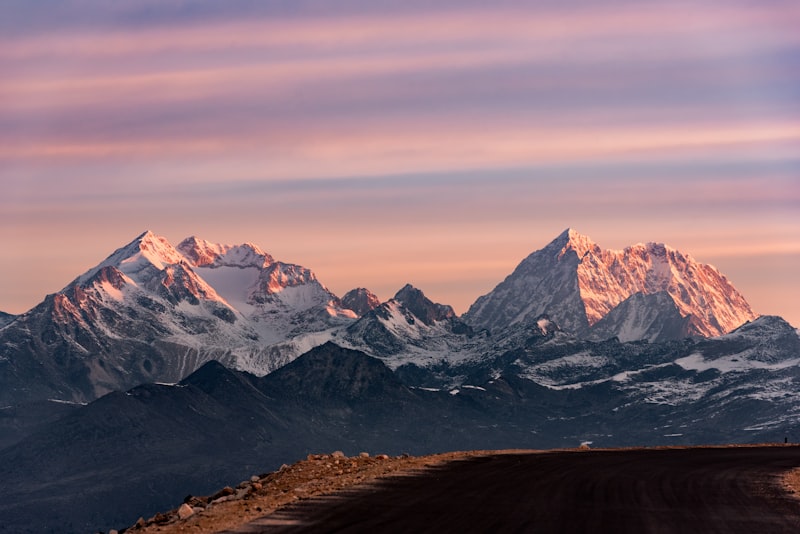
The Nar Phu Valley Trek is one of Nepal's most extraordinary trekking experiences, offering a rare glimpse into a restricted Himalayan valley that few tourists ever see. This comprehensive guide covers everything you need to plan your adventure.
Why Choose the Nar Phu Valley?
Unlike the heavily trafficked Annapurna Circuit or Everest Base Camp treks, the Nar Phu Valley requires a special restricted area permit, which naturally limits the number of trekkers. This means you'll experience:
- Authentic Tibetan culture in villages that have changed little over centuries
- Pristine landscapes untouched by mass tourism
- Dramatic mountain scenery including views of Annapurna II, Pisang Peak, and Chulu ranges
- The challenging Kang La Pass at 5,320m with panoramic Himalayan views
Best Time to Trek
The ideal seasons for the Nar Phu Valley Trek are:
Spring (March to May): Warmer temperatures, rhododendron blooms at lower altitudes, and clear mountain views. This is the most popular season.
Autumn (September to November): Stable weather, excellent visibility, and comfortable temperatures. The post-monsoon clarity offers the best mountain photography opportunities.
Winter: Not recommended due to heavy snowfall on Kang La Pass and extreme cold in the villages.
Permits Required
The Nar Phu Valley is a restricted area, so you need:
- Restricted Area Permit (RAP): Required for all foreign trekkers. Must be obtained through a registered trekking agency. Cost is approximately $90 per person per week.
- Annapurna Conservation Area Permit (ACAP): Standard permit for the Annapurna region, approximately $30.
- TIMS Card: Trekkers' Information Management System card, approximately $20.
All permits are arranged by us when you book a trek package.
Fitness Level Required
The Nar Phu Valley Trek is rated as Challenging. You should:
- Be comfortable walking 6-8 hours per day on varied terrain
- Have previous high-altitude trekking experience (above 4,000m)
- Be able to carry a light daypack (5-8 kg)
- Have a good level of cardiovascular fitness
- Start training at least 2-3 months before your trek
What to Pack
Essential items for the Nar Phu Valley Trek:
- Layered clothing system (base layer, insulation, waterproof shell)
- Broken-in trekking boots with ankle support
- Down jacket rated to -20°C for the pass crossing
- Sleeping bag rated to -15°C (or rent from us)
- Trekking poles (highly recommended for the pass)
- Sunscreen, sunglasses, and lip balm with SPF
- Water purification tablets or filter
- Personal first aid kit and any prescription medications
- Camera with extra batteries (cold drains batteries fast!)
Day-by-Day Highlights
The classic 14-day itinerary offers unforgettable experiences each day:
Days 1-4: Journey from Kathmandu to the Nar Phu Valley entrance, passing through the beautiful Marsyangdi River valley.
Days 5-7: Enter the restricted valley and discover Phu village, dramatically perched on a clifftop with its ancient Tashi Lhakhang Monastery.
Days 8-9: Explore Nar village, sitting in a natural amphitheater of rock formations, with its unique flat-roofed stone houses.
Days 10-11: Cross the spectacular Kang La Pass at 5,320m - the highlight of the trek with breathtaking panoramic views.
Days 12-14: Rejoin the Annapurna Circuit at Ngawal, visit Manang, and return to Kathmandu.
Ready to Trek?
The Nar Phu Valley is calling. Contact us to start planning your adventure into one of Nepal's last great wilderness frontiers.