Best Time to Trek the Nar Phu Valley: Month-by-Month Weather Guide
Discover the ideal months to trek the Nar Phu Valley with detailed weather data, temperature ranges, and seasonal insights that will help you plan the perfect Himalayan adventure.
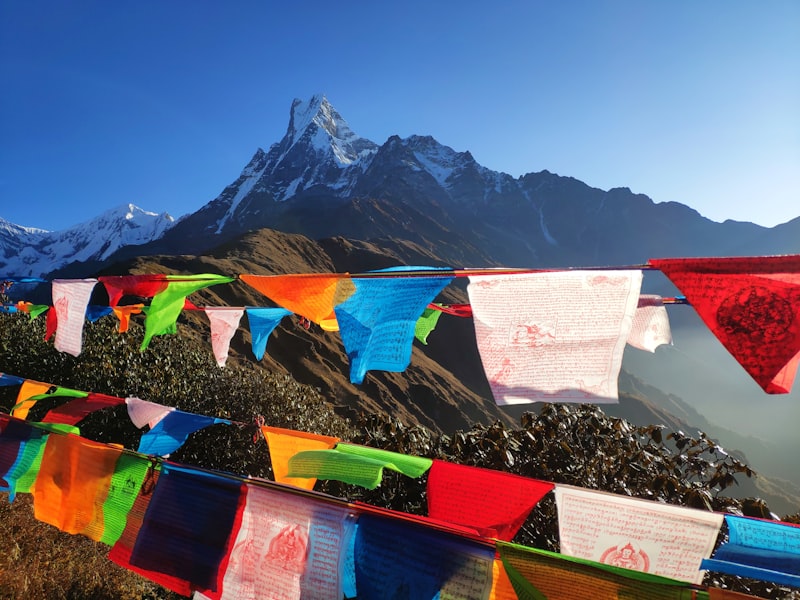
Understanding the Nar Phu Valley Climate
The Nar Phu Valley occupies a unique geographical position between Annapurna (8,091m) and Manaslu (8,163m), creating a microclimate that differs significantly from the main Annapurna Circuit corridor. The valley sits in a rain shadow zone, meaning it receives far less monsoon rainfall than the southern slopes of the Annapurna range. This Tibetan Plateau influence makes the valley drier, colder, and windier than what most trekkers expect from Nepal.
During the optimal trekking months, daytime temperatures at valley elevation (3,500-4,200m) hover between 10-15°C, while nights regularly drop to -5°C and can plunge to -10°C at higher camps near Kang La Pass (5,320m). Understanding these conditions month by month is essential for choosing the right window and packing the right gear.
The Best Months: October and November
October — The Gold Standard
If you can only choose one month, make it October. This is when the Nar Phu Valley is at its absolute best.
What to expect:
- Daytime temperatures: 10-15°C at Nar village (4,110m), dropping to 5-8°C at higher elevations
- Nighttime temperatures: -3°C to -7°C in the valleys, -10°C to -15°C near Kang La
- Precipitation: Minimal — the monsoon has fully retreated, leaving clear, stable skies
- Visibility: Exceptional. Expect unobstructed views of Annapurna II, Pisang Peak, Chulu, and the entire Manaslu range
- Trail conditions: Dry and well-defined. River crossings are manageable after the monsoon runoff has subsided
October is also harvest season in Nar and Phu villages. You may see villagers drying barley on rooftops and preparing yak butter stores for winter. The golden buckwheat fields against the backdrop of snow-capped peaks create some of the finest photography opportunities in the Himalaya.
Drawback: October is the busiest month for Nepal trekking overall. However, "busy" in the Nar Phu Valley still means fewer than 500 trekkers for the entire season, so you are unlikely to feel crowded.
November — Crisp and Clear with Fewer Trekkers
November offers nearly identical visibility to October but with noticeably fewer trekkers on the trail. The temperatures begin to drop more sharply, especially at night.
What to expect:
- Daytime temperatures: 7-12°C at valley level, near freezing at Kang La
- Nighttime temperatures: -7°C to -12°C
- Precipitation: Very low. Occasional light snowfall above 5,000m
- Kang La Pass: Still passable through mid-November in most years, but conditions become unpredictable in the final week
If you are an experienced trekker comfortable with colder conditions, early November is an excellent choice. The air is exceptionally clear, and the reduced foot traffic means you may have entire stretches of the trail to yourself.
The Spring Window: March to May
March — The Awakening Season
March marks the transition from winter to spring. The lower elevations begin to warm, and rhododendron forests along the approach from Chame start blooming in vibrant reds and pinks.
What to expect:
- Daytime temperatures: 8-13°C at valley level
- Nighttime temperatures: -5°C to -10°C
- Precipitation: Occasional light snow at high elevations. Increasing cloud buildup in afternoons
- Kang La Pass: Typically reopens in late March, depending on winter snowfall. Check conditions with your agency before committing to a crossing date
March is a transitional month. The first half can still feel like winter, while the second half brings warmer days and increasingly green landscapes. Fewer trekkers visit in March compared to the autumn peak.
April — Warm Days, Wildflowers, and Haze
April is the second most popular month for the Nar Phu Valley trek. Temperatures are comfortable, and the valleys show more signs of life as herders begin moving yak herds to higher pastures.
What to expect:
- Daytime temperatures: 12-17°C at valley level
- Nighttime temperatures: -2°C to -6°C
- Precipitation: Light afternoon showers become more frequent toward month's end
- Visibility: Good in the mornings but slightly hazier than autumn due to pre-monsoon atmospheric moisture
May — The Last Window Before Monsoon
May is the final realistic trekking month. Temperatures are the warmest of the season, but the approaching monsoon brings increasing cloud cover and afternoon rain.
What to expect:
- Daytime temperatures: 14-18°C
- Nighttime temperatures: 0°C to -4°C
- Precipitation: Frequent afternoon showers, occasional thunderstorms at higher elevations
- Kang La Pass: Passable but conditions can change rapidly
Only choose May if you are comfortable with reduced visibility and the possibility of rain on 3-4 days during a typical 10-day trek.
Months to Avoid
June to September — Monsoon Season
The monsoon hits Nepal from mid-June through September. While the Nar Phu Valley receives less rain than the southern Annapurna slopes, trail conditions become dangerous. River crossings swell, landslides block paths, and leeches appear on the lower sections. Visibility drops to near zero for days at a time. No reputable agency will operate Nar Phu Valley treks during this period.
December to February — Winter
Winter brings a harsh beauty to the Nar Phu Valley, but it also brings extreme cold and the closure of Kang La Pass.
- December: Temperatures at Nar village drop to -15°C to -20°C at night. Kang La is typically impassable due to deep snow and ice
- January: The coldest month. Many villagers in Nar and Phu migrate to lower elevations. Teahouse availability is severely limited
- February: Conditions begin to slowly moderate in the second half, but Kang La remains closed in most years until late March
If you are set on a winter visit, you can do an out-and-back trek from Meta to Phu village and return the same way, skipping Kang La entirely. This limits the route but still offers access to the stunning Phu village cliffside views and the 700-year-old Tashi Lhakhang monastery.
Festival Timing: A Reason to Plan Around Cultural Events
Two major festivals can add a remarkable cultural dimension to your Nar Phu Valley trek:
- Losar (Tibetan New Year): Falls in February or March depending on the lunar calendar. If your spring trek coincides with Losar, you will witness masked dances, prayer ceremonies, and communal feasts in Nar and Phu villages
- Yartung Festival: Held in late summer, this festival features horse races, archery, and traditional competitions. It typically falls outside the main trekking window, but late-season September trekkers may catch the tail end of celebrations
Month-by-Month Summary Table
| Month | Trekking Rating | Daytime Temp | Nighttime Temp | Kang La Status | |-------|----------------|-------------|----------------|----------------| | January | Not recommended | -2°C to 3°C | -15°C to -20°C | Closed | | February | Not recommended | 0°C to 5°C | -12°C to -18°C | Closed | | March | Good (late month) | 8°C to 13°C | -5°C to -10°C | Opens late March | | April | Very Good | 12°C to 17°C | -2°C to -6°C | Open | | May | Fair | 14°C to 18°C | 0°C to -4°C | Open | | Jun-Sep | Closed (Monsoon) | — | — | Varies | | October | Excellent | 10°C to 15°C | -3°C to -7°C | Open | | November | Very Good | 7°C to 12°C | -7°C to -12°C | Risky late month | | December | Not recommended | 0°C to 5°C | -12°C to -17°C | Closed |
My Recommendation
For first-time Nar Phu Valley trekkers, the second and third weeks of October offer the perfect combination of stable weather, outstanding visibility, and cultural atmosphere as villages prepare for winter. If you prefer quieter trails and can handle colder nights, the first two weeks of November are equally rewarding.
Spring trekkers should target the second half of March through mid-April. You will encounter fewer people than in autumn, and the blooming rhododendrons along the approach add color that autumn trails lack.
Whatever month you choose, the Nar Phu Valley rewards those who prepare for its conditions. Pack for temperatures 10-15 degrees colder than you expect, bring layers you can adjust throughout the day, and you will be ready to experience one of Nepal's most extraordinary hidden valleys.