Altitude Sickness on the Nar Phu Valley Trek: Prevention & Safety Guide
Learn how to prevent and manage altitude sickness on the Nar Phu Valley trek, where elevations reach 5,320m at Kang La Pass. Practical acclimatization tips from experienced Himalayan guides.
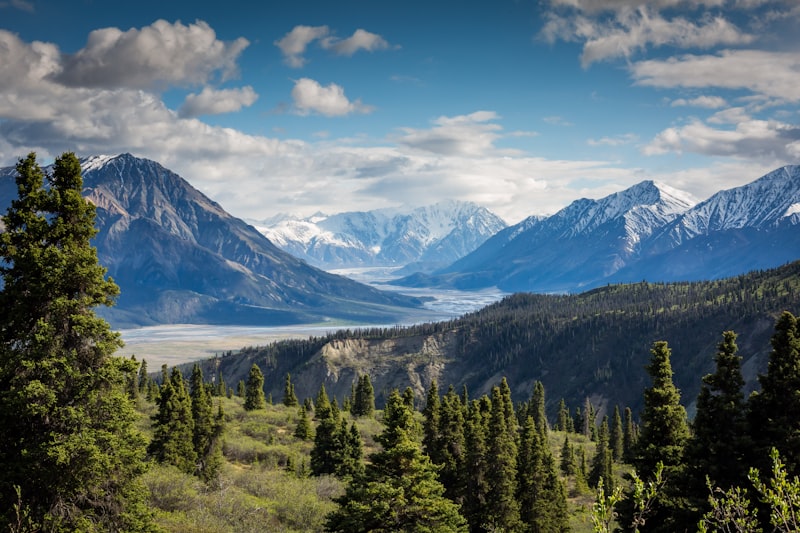
Altitude sickness is the single biggest health risk on the Nar Phu Valley trek. With villages sitting above 4,000 meters and Kang La Pass topping out at 5,320 meters, every trekker needs a solid understanding of how altitude affects the body and what to do when symptoms appear. This guide draws on years of guiding experience in the Nar Phu region to give you the practical knowledge that keeps trekkers safe.
Understanding Altitude Sickness in the Nar Phu Valley
Altitude sickness, also called Acute Mountain Sickness (AMS), occurs when your body cannot adapt quickly enough to the lower oxygen levels found at high elevations. At 5,320 meters on Kang La Pass, the air contains roughly 50% of the oxygen available at sea level. Your body needs time to produce more red blood cells and adjust its breathing patterns.
The Nar Phu Valley trek is particularly demanding because the altitude gain is significant. You typically start from around 2,500 meters near Koto on the Annapurna Circuit and ascend to Phu village at 4,080 meters and Nar village at 4,110 meters before crossing Kang La at 5,320 meters. That is a gain of nearly 2,800 meters over the course of several days.
The Three Stages of Altitude Illness
Understanding the progression helps you respond early:
- Mild AMS (above 3,500m): Headache, mild nausea, loss of appetite, fatigue, and difficulty sleeping. Most trekkers experience some of these symptoms. They are manageable and usually resolve with rest and hydration.
- Moderate AMS: Severe headache not relieved by ibuprofen, persistent vomiting, increasing fatigue, shortness of breath during light activity, and decreased coordination. This is a warning sign that demands immediate attention.
- Severe AMS / HACE / HAPE: Confusion, inability to walk in a straight line, fluid in the lungs causing a wet cough, blue lips or fingertips. This is a medical emergency requiring immediate descent and evacuation.
Key Altitude Milestones on the Trek
Knowing where the critical altitude zones fall helps you plan your acclimatization:
| Location | Elevation | Notes | |---|---|---| | Koto (trailhead) | 2,600m | Below the danger zone | | Dharamsala | 3,230m | Approaching the threshold | | Phu Village | 4,080m | Full acclimatization day recommended | | Nar Village | 4,110m | Second acclimatization day recommended | | Kang La Pass | 5,320m | Highest point, cross early morning | | Ngawal (descent) | 3,660m | Significant relief after the pass |
The critical threshold is 3,500 meters. Above this elevation, your body is working hard to compensate for reduced oxygen, and symptoms can develop rapidly if you push too hard.
Proven Acclimatization Strategies
Follow the Golden Rule: Climb High, Sleep Low
This is the most important principle in high-altitude trekking. During acclimatization days in Phu or Nar village, take day hikes to higher ridgelines or viewpoints, then return to the village to sleep. Gaining 300 to 500 meters during a day hike and descending back to camp trains your body more effectively than simply resting at altitude.
In Phu village, a popular acclimatization hike takes you up toward the ancient Tashi Lhakhang monastery area with views across the valley. In Nar village, the natural amphitheater of rock formations above the settlement offers excellent short hikes that aid acclimatization.
Control Your Ascent Rate
Above 3,000 meters, your sleeping altitude should increase by no more than 500 meters per day. Our standard Nar Phu itineraries build in two acclimatization days specifically for this reason. Rushing the schedule is the number one cause of altitude problems on this trek.
Hydration Is Non-Negotiable
Drink 3 to 4 liters of water daily above 3,500 meters. Dehydration mimics and worsens altitude sickness symptoms. At high altitude, you lose moisture rapidly through increased breathing and dry mountain air. Signs you are drinking enough include clear or light yellow urine.
Practical tips for staying hydrated on the trail:
- Carry a wide-mouth water bottle that is easy to refill at streams
- Add electrolyte tablets to replace salts lost through exertion
- Drink warm water or herbal tea at teahouses, which is easier to consume in cold conditions
- Avoid alcohol entirely above 3,500 meters as it impairs acclimatization and causes dehydration
Eat Carbohydrate-Rich Foods
Your body burns more calories at altitude, and carbohydrates are the most efficient fuel source in low-oxygen conditions. Fortunately, the traditional foods available in Nar and Phu villages are ideal. Tsampa (roasted barley flour) is a high-energy staple, and thukpa (noodle soup) provides both carbohydrates and hydration. Eat regularly even if your appetite drops.
Medication Options
Acetazolamide (Diamox)
Acetazolamide is the most widely used preventive medication for altitude sickness. It works by stimulating your breathing, which increases oxygen intake. A common dosage is 125mg twice daily, starting 24 hours before ascending above 3,500 meters.
Important: Diamox is a sulfa drug. If you have a sulfa allergy, do not take it. Consult your doctor before the trek to discuss your options and obtain a prescription. Side effects include tingling in fingers and toes, increased urination, and altered taste of carbonated beverages.
Ibuprofen
Studies have shown that 600mg of ibuprofen taken three times daily can reduce the incidence of AMS. It also treats the headaches that commonly accompany altitude exposure. Carry a supply in your personal first aid kit.
Dexamethasone (Emergency Use)
This powerful steroid is carried by experienced guides for emergency treatment of severe AMS, HACE, or HAPE. It is not a preventive medication and should only be administered by trained personnel while arranging evacuation.
What to Do If Symptoms Develop
Follow this decision framework:
- Mild headache and fatigue: Rest, hydrate, take ibuprofen. Do not ascend further until symptoms resolve completely.
- Symptoms persist after 24 hours or worsen: Descend at least 500 meters and reassess. Do not continue upward under any circumstances.
- Signs of HACE or HAPE (confusion, wet cough, severe breathlessness at rest): Descend immediately, administer emergency medication if available, and arrange evacuation. Every hour counts.
The nearest medical facilities are in Chame (3 to 4 days walk from Phu village) or accessible by helicopter evacuation. This is why travel insurance with helicopter rescue coverage is mandatory for the Nar Phu trek.
Emergency Evacuation from the Nar Phu Valley
The Nar Phu Valley is remote. There are no roads, no hospitals, and limited communication. Here is what you need to know:
- Helicopter evacuation is the primary rescue method. Flat areas near Phu and Nar villages can serve as landing zones in good weather.
- Satellite phones or satellite communicators are carried by our guides for emergency contact.
- Travel insurance must include helicopter evacuation up to at least $100,000 USD. Verify that your policy covers trekking above 5,000 meters.
- Weather delays can ground helicopters for days. Having sufficient acclimatization time built into your itinerary reduces the chance of needing emergency evacuation in the first place.
Physical Preparation Before the Trek
Your fitness level directly affects how well you handle altitude. Start preparing at least 8 to 12 weeks before departure:
- Cardiovascular training: Hiking, running, cycling, or swimming for 45 to 60 minutes, 4 to 5 times per week
- Hill training: Hike with a loaded backpack (8 to 12 kg) on inclines weekly
- Core and leg strength: Squats, lunges, and step-ups improve stability on uneven terrain
- Pre-trip altitude exposure: If possible, spend time at moderate altitude (2,000 to 3,000m) in the weeks before your trek
The Bottom Line
Altitude sickness on the Nar Phu Valley trek is preventable in the vast majority of cases. The combination of a well-paced itinerary with built-in acclimatization days, proper hydration, smart nutrition, and awareness of early symptoms keeps trekkers safe year after year. Fewer than 500 trekkers visit the Nar Phu Valley annually, and the remoteness of this restricted area means that preparation and respect for altitude are not optional but essential.
Talk to your doctor before the trek, invest in comprehensive travel insurance, and trust your guide's experience on the trail. The rewards of crossing Kang La Pass and standing in the ancient villages of Nar and Phu are extraordinary, but only when you arrive there safely.